Pemanfaatan Sistem Informasi Digital Menggunakan Kerangka Kerja People Process Technology
DOI:
https://doi.org/10.31848/jesii.v3i2.4410Kata Kunci:
Sistem Informasi Digital, Pemanfaatan Digital, Teknologi Proses Manusia, Analisis Deskriptif, Infrastruktur DigitalAbstrak
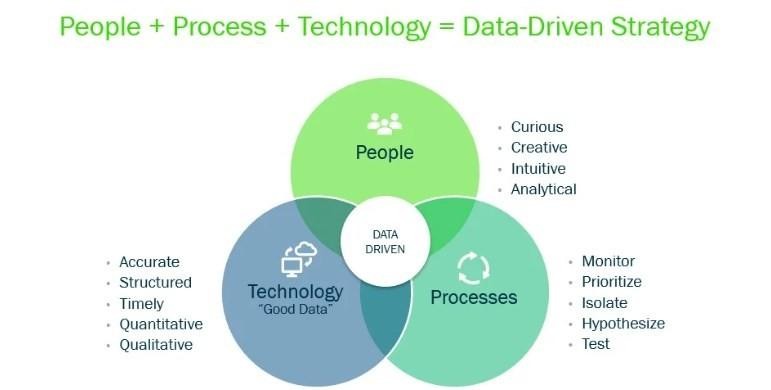
Studi ini mengkaji pemanfaatan sistem informasi digital di Indonesia dari perspektif nasional menggunakan pendekatan kuantitatif deskriptif dan indikator digital nasional yang diinterpretasikan melalui kerangka Kerja Manusia–Proses–Teknologi. Temuan ini menunjukkan bahwa sistem informasi digital di Indonesia menunjukkan pemanfaatan yang kuat dalam hal partisipasi pengguna dan adopsi teknologi, khususnya melalui akses berbasis seluler. Hasil ini mengkonfirmasi bahwa teknologi digital telah menjadi bagian penting dari aktivitas sehari-hari dan berfungsi sebagai infrastruktur utama di tingkat nasional. Namun, analisis tersebut juga mengungkapkan bahwa kesiapan infrastruktur dan proses pendukung berkembang lebih lambat dibandingkan dengan adopsi pengguna dan akses teknologi. Ketidakseimbangan ini dapat membatasi efektivitas dan konsistensi pemanfaatan sistem informasi digital, meskipun tingkat aksesnya tinggi. Dari perspektif Manusia–Proses–Teknologi, dimensi manusia dan teknologi tampak relatif kuat, sementara dimensi proses merupakan kendala utama. Secara keseluruhan, studi ini menyimpulkan bahwa pemanfaatan sistem informasi digital yang efektif memerlukan pengembangan yang seimbang di seluruh dimensi manusia, proses, dan teknologi untuk memaksimalkan manfaat dari adopsi digital yang luas di Indonesia.
Referensi
DataReportal, Digital 2025: Indonesia, Global Digital Report 2025. We Are Social & Meltwater, 2025. [Online]. Available: https://datareportal.com/reports/digital-2025-indonesia
J. M. Stanton, K. R. Stam, P. Mastrangelo, and J. Jolton, “Analysis of end user security behaviors,” Computers & Security, vol. 24, no. 2, pp. 124–133, 2005.
H. J. Watson and B. H. Wixom, “The current state of business intelligence,” Computer, vol. 40, no. 9, pp. 96–99, 2007.
W. J. Orlikowski and C. S. Iacono, “Research commentary: Desperately seeking the ‘IT’ in IT research,” Information Systems Research, vol. 12, no. 2, pp. 121–134, 2001.
L. M. Applegate, R. D. Austin, and F. W. McFarlan, Corporate Information Strategy and Management, 8th ed. New York, NY, USA: McGraw-Hill, 2017.
M. D. Myers, Qualitative Research in Business and Management. London, UK: Sage Publications, 2019.
T. DeLone and E. McLean, “The DeLone and McLean model of information systems success: A ten-year update,” Journal of Management Information Systems, vol. 19, no. 4, pp. 9–30, 2003.
A. Hevner, S. March, J. Park, and S. Ram, “Design science in information systems research,” MIS Quarterly, vol. 28, no. 1, pp. 75–105, 2004.
R. Kling, “Social informatics: Understanding the social aspects of information and communication technologies,” Information Society, vol. 16, no. 3, pp. 217–234, 2000.
Prosci, “The People, Process, Technology (PPT) Framework,” Prosci Research Brief, 2023. [Online]. Available: https://www.prosci.com/blog/people-process-technology
World Bank, World Development Report 2021: Data for Better Lives. Washington, DC, USA: World Bank Publications, 2021.
OECD, Digital Transformation in Indonesia, OECD Digital Economy Papers, Paris, France, 2022.
L. Galliers and D. E. Leidner, Strategic Information Management: Challenges and Strategies in Managing Information Systems, 4th ed. London, UK: Routledge, 2014.
International Telecommunication Union, Measuring Digital Development: Facts and Figures 2023. Geneva, Switzerland: ITU, 2023.
E. Mumford, “The story of socio-technical design: Reflections on its successes, failures and potential,” Information Systems Journal, vol. 16, no. 4, pp. 317–342, 2006.
Unduhan
Diterbitkan
Terbitan
Bagian
Lisensi
Hak Cipta (c) 2025 Eka Wulansari, Ahsani Takwim

Artikel ini berlisensiCreative Commons Attribution-ShareAlike 4.0 International License.
Authors who publish in JESII: Journal Elektronik Sistem InformasI agree to the following terms:
Authors retain copyright and grant the journal right of first publication with the work simultaneously licensed under a Attribution-ShareAlike 4.0 International (CC BY-SA 4.0) License that allows others to share the work with an acknowledgment of the work's authorship and initial publication in this journal.
Authors are able to enter into separate, additional contractual arrangements for the non-exclusive distribution of the journal's published version of the work (e.g., post it to an institutional repository or publish it in a book), with an acknowledgment of its initial publication in this journal.
Authors are permitted and encouraged to post their work online (e.g., in institutional repositories or on their website) prior to and during the submission process, as it can lead to productive exchanges, as well as earlier and greater citation of published work (See The Effect of Open Access).